


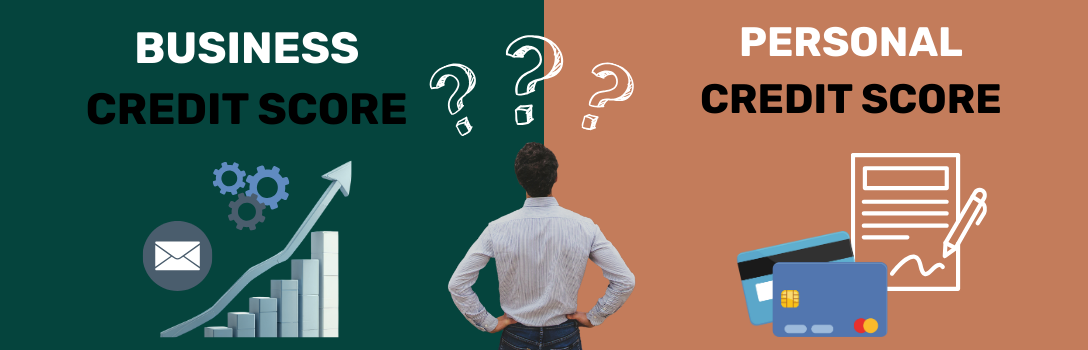
When a business owner seeks funding from banks or other lending institutions, one of the first assessments conducted is a review of credit worthiness. This brings out an important question: do lenders consider the entrepreneur’s personal credit score or the organization’s business credit score? For many small enterprises, this distinction becomes critical because both scores influence financing decisions.
The Personal Credit Score – Your Financial Footprint
A personal credit score reflects how an individual manages financial obligations. It is built from measurable patterns such as:
- Timely repayment of EMIs and credit card dues
- Credit utilization levels relative to sanctioned limits
- Length and consistency of an individual’s credit history
This score is evaluated when applying for retail credit products such as home loans, personal loans, auto loans or credit cards. In simple terms, it acts as an individual’s financial reliability indicator in the eyes of lenders. When an entrepreneur’s personal finances demonstrate discipline, it becomes easier to obtain personal borrowing at favorable terms.
The Business Credit Score – Your Company’s Report Card
A business credit score evaluates the organization, not the individual. It is derived from factors such as:
- On-time repayment of business loans
- Timely settlement of supplier and vendor dues
- Predictability of cash flows and revenue patterns
- The company’s complete credit history
This score is reviewed when applying for business financing. It functions as an organization’s financial reputation and helps lenders and partners measure operational discipline and credit strength. A strong business credit profile enhances trust and improves access to institutional funding.
Why Does the Difference Matters?
Business owners may face challenges as both personal and business credit scores have an impact on lending decisions. Lenders might hesitate to lend to a newly established business if they have poor personal credit. Therefore, proper management of both personal and business credit scores is important to build a successful business. Personal credit establishes credibility, while business credit signifies the financial stability and operational reliability of a company.
How to Maintain Healthy Scores on Both Fronts
Maintaining a strong personal credit score requires:
- Timely repayment of all EMI’s and credit card bills.
- Lower credit utilization across all accounts.
- Avoiding additional borrowing without a clear repayment plan.
Strengthening a business credit score requires:
- Accurate and transparent financial record.
- Consistent repayment of business loans.
- Timely management of vendor and personal payments.
- Clear separation between business and personal finances.
When both scores reflect stability, lenders gain confidence in supporting the enterprise with competitive terms and structured financial products.
An entrepreneur financial journey is impacted by both their personal and business credit scores. The strength of personal & business credit determines borrowing ability and strengthens the relationship of trust between borrowers and lenders, suppliers and investors.
Arka aims to support micro, small and medium enterprises (MSMEs) as they navigate the obligations of an entrepreneur: balancing their individual responsibilities with the creation and growth of resilient companies.

The mark ‘Kirloskar’ in the status line is owned by Kirloskar Proprietary Limited and Arka Fincap Limited is the permitted user